
No products in the cart.
Does Perfume Last Longer On Clothes Or Skin: The Complete Guide
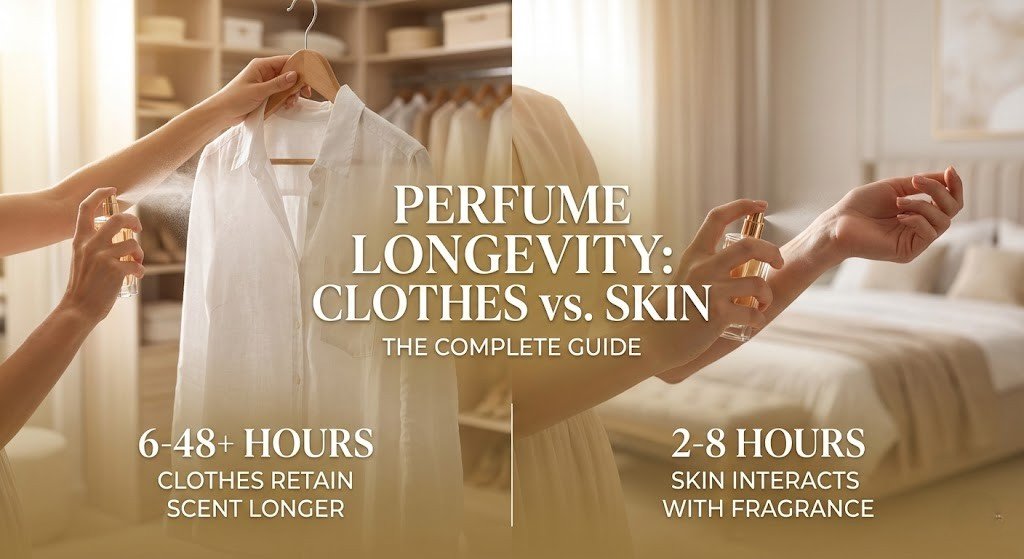
Yes, perfume lasts longer on clothes than on skin. Fabric can hold fragrance for 6 to 48 hours or more, while skin typically retains scent for 2 to 8 hours. This happens because fabric fibers trap fragrance molecules, whereas skin naturally breaks them down through heat, oils, and pH levels.
Understanding where to apply your perfume changes everything about how you experience fragrance throughout your day. At Ismaah, we bring you premium Eau de Parfum fragrances from Dubai that are designed to deliver exceptional longevity, whether you choose skin or clothing application.
Let’s explore why this happens and how you can use this knowledge to maximize your fragrance experience.
Why Perfume Lasts Longer On Clothes Than Skin
The difference comes down to how fragrance molecules interact with each surface. Fabric and skin behave completely differently when holding scent.
How Fabric Traps Scent
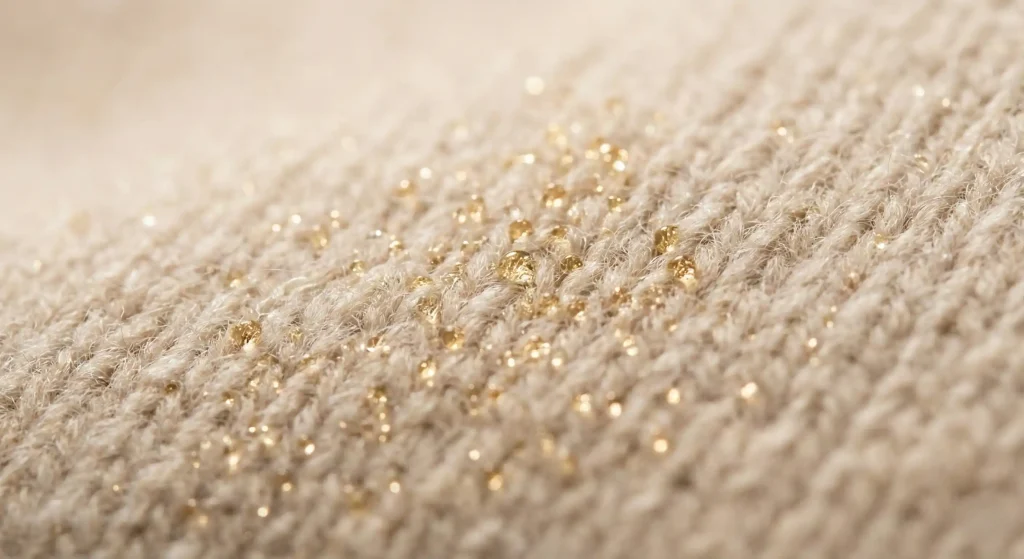
Natural fibers like cotton, wool, and silk have microscopic gaps that trap perfume molecules. These fibers absorb the fragrance oils and release them slowly over time. Wool holds scent the longest because its dense, porous structure absorbs deeply and protects fragrance from quick evaporation.
Cotton also performs well for fragrance retention. The breathable nature of cotton allows scent to settle into the fibers while still providing gentle diffusion throughout the day. Silk creates a delicate, long lasting effect because the smooth protein structure bonds with fragrance molecules effectively.
Synthetic fabrics like polyester and nylon work differently. They are less absorbent and may cause perfume to evaporate faster, though they still hold scent longer than skin does.
Why Skin Releases Fragrance Faster
Your skin acts like a living surface that actively interacts with perfume. Body heat accelerates evaporation, which is why pulse points feel warmer and release scent more intensely. But this same warmth that enhances projection also shortens longevity.
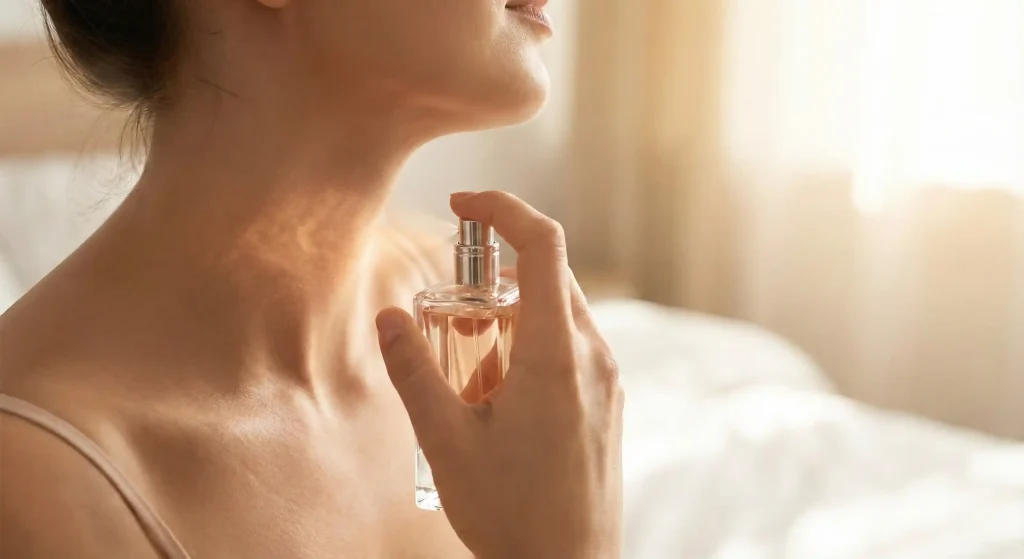
Skin chemistry plays a major role in how quickly fragrance fades. Research has demonstrated that your natural pH level ranges from 4.5 to 5.5, and this acidity breaks down fragrance molecules faster than fabric does. More acidic skin causes scents to fade quicker, while higher pH skin may hold fragrance slightly longer but can alter how notes smell.
Natural skin oils called sebum also affect perfume performance. Oily skin can trap scent molecules and make fragrance last longer with better projection. Dry skin absorbs perfume quickly and causes faster evaporation, leading to shorter wear time.
Sweat and moisture further reduce longevity on skin. When you perspire, the water content dilutes fragrance oils and encourages faster evaporation, especially in hot weather or during physical activity.
Understanding these differences helps you choose the right application method for your needs.
The Benefits Of Applying Perfume On Skin
While clothes hold scent longer, skin offers unique advantages you cannot get from fabric.
Creates Your Signature Scent
When perfume touches your skin, it interacts with your unique body chemistry. Your natural oils, pH level, and skin temperature combine to create a scent that is distinctly yours. The same perfume smells different on different people because of this personal chemistry interaction.
This makes skin application ideal when you want a truly personal fragrance experience. No one else will smell exactly like you do, even when wearing the same perfume.
Warmth Enhances Projection
Pulse points like your wrists, neck, and behind your ears emit natural body heat. This warmth activates the fragrance and helps it diffuse into the air around you. The heat gradually releases the scent, creating what perfumers call projection or sillage.
Applying to these warm areas creates a gentle fragrance cloud that moves with you. This intimate scent experience feels more connected to your body than fabric application does.
Allows Fragrance Evolution
Perfumes are built with three layers: top notes, middle notes, and base notes. On skin, you experience the full evolution as the fragrance transitions from bright opening notes to deeper base notes over several hours.
Top notes last 15 to 30 minutes and provide the first impression. Middle notes develop after and last 2 to 4 hours, forming the heart of the fragrance. Base notes emerge last and can linger for 4 to 8 hours on skin.
This natural progression creates a dynamic scent experience that changes throughout your day. Fabric holds these notes more linearly without the same evolution.
But fabric application has its own compelling advantages.
Why Clothes Hold Perfume Longer
Fabric application offers the longest lasting fragrance experience.
Extended Wear Time
Natural fabrics can retain perfume for 24 to 48 hours or even longer. Wool coats or scarves can hold fragrance for days, especially when stored in closets between wears. Cotton shirts typically maintain scent for a full day of wear.
Even after washing, some fragrances with heavy base notes can survive in fabric fibers. This extended longevity means you apply perfume less frequently and get more value from each bottle.
The concentration of your perfume matters too. Eau de Parfum contains 15 to 20 percent fragrance oils and performs better on fabric than lighter Eau de Toilette formulations.
Consistent Scent Profile
Fabric does not generate heat or produce oils like skin does. This means the perfume maintains its original scent profile without chemical changes. What you smell in the bottle is closer to what you get on clothing.
The top and heart notes stay intact longer on fabric. Without skin chemistry altering the fragrance, you get a more consistent scent experience that stays true to the perfumer’s original vision.
Ideal For Sensitive Skin
Some people experience irritation or allergic reactions when applying perfume directly to skin. The alcohol content in fragrances can dry out skin or cause redness for those with sensitive skin conditions.
Clothing application offers a solution. You still enjoy the fragrance without direct skin contact, reducing the risk of irritation while maintaining excellent longevity.
However, applying perfume to clothes comes with important considerations.
Can Perfume Stain Or Damage Your Clothes
Before spraying perfume on clothes, you need to know the potential risks.
Fabrics That Stain Easily
Perfume contains oils, alcohol, and sometimes dyes that can leave marks on fabric. The oils are designed to help fragrance last longer, but they can penetrate fibers and create greasy looking spots.
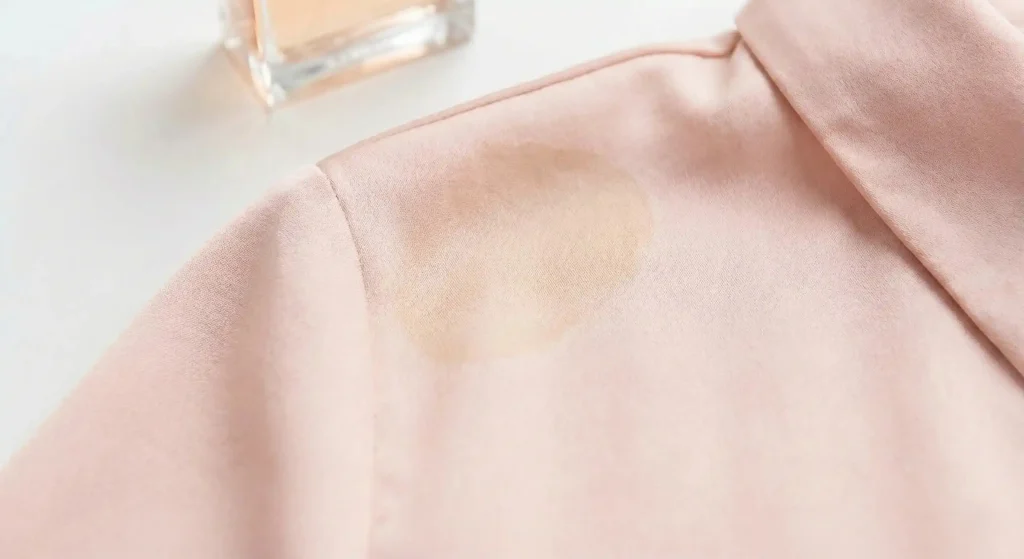
Delicate fabrics face the highest risk. Silk and satin absorb oils quickly and show stains prominently, especially light colored pieces. Wool can also stain and the alcohol content in perfume may dry out wool fibers over time, making them brittle.
Leather and suede should never have perfume applied directly. These materials absorb oils immediately and react poorly to alcohol, often leaving permanent marks that cannot be removed.
Light colored fabrics show stains more than dark clothing. White and cream garments are particularly vulnerable to visible discoloration from perfume oils and dyes.
How To Prevent Damage
Simple prevention steps protect your clothes while allowing fabric application. Always spray perfume from 6 to 8 inches away from fabric. This creates a fine mist that distributes evenly rather than concentrated drops that cause stains.
Apply perfume before getting dressed and allow it to dry completely on your skin. Wait at least 2 to 3 minutes for the alcohol to evaporate before putting on clothes. This prevents transfer stains from wet perfume.
Test new perfumes on a hidden area of fabric first. Spray a small amount on an inner seam or hem and check after 24 hours for any discoloration or damage.
Focus application on sturdy natural fabrics like cotton denim or dark colored wool pieces. Avoid spraying directly on delicate, expensive, or light colored garments.
Some people spray perfume into the air and walk through the mist. This technique works for lighter application but gives less concentrated scent on fabric.
Knowing these risks helps you apply perfume safely and effectively.
How To Make Perfume Last Longer On Both Surfaces
You can maximize perfume longevity on either surface with the right techniques.
Tips For Skin Application
Moisturize your skin before applying perfume. Hydrated skin holds fragrance molecules better than dry skin. Apply an unscented body lotion or use a matching scented lotion from the same fragrance line.
Target pulse points where blood vessels are closest to the surface. Key spots include wrists, neck, behind ears, inner elbows, and behind knees. The natural warmth from these areas helps diffuse scent throughout the day.
Apply perfume right after showering when your pores are open and skin is slightly damp. This helps lock in the fragrance. Do not rub your wrists together after applying, as friction breaks down fragrance molecules and alters the scent composition.
Layer your fragrance with complementary products. Start with matching shower gel, then apply body lotion, and finish with perfume. This creates multiple layers of scent that reinforce each other and extend longevity.
Choose concentrated formulas for better lasting power. Eau de Parfum lasts 5 to 8 hours on skin, while Eau de Toilette typically fades within 3 to 5 hours.
Tips For Clothing Application
Select natural fiber garments for fragrance application. Cotton, wool, and linen hold scent better than synthetic materials. Focus on items you wear for longer periods like jackets, scarves, or sweaters.
Spray from 6 to 8 inches away to create even distribution. Hold the bottle at a comfortable distance and use a light misting motion rather than concentrated sprays in one spot.
Apply to clothing areas that receive less friction. Inner linings of jackets, collars, and the back of scarves work well. Avoid areas that rub constantly like underarms or waistbands, as friction causes faster evaporation.
Time your application strategically. Spray clothes after laundering when fabric is clean but before wearing. This allows the scent to settle into fibers without interference from detergent or fabric softener fragrances.
Avoid delicate or light colored fabrics. Stick to darker, more durable materials that can handle the oils in perfume without showing stains.
The Combined Approach
Many fragrance enthusiasts use both methods for maximum impact. Apply perfume to your pulse points for personal scent and body heat activation, then lightly mist your clothing for extended longevity.
This dual approach gives you the intimate, evolving scent experience of skin application plus the lasting power of fabric retention. Start with 2 to 3 sprays on skin and 1 to 2 light mists on clothing.
The combination works especially well for special occasions or long days when you want fragrance to last from morning to night without reapplication.
Now you have everything you need to make your fragrance last from morning to night.
Choose What Works Best For Your Lifestyle
Clothes last longer with fragrance retention of 24 to 48 hours or more, while skin offers a personal scent experience of 2 to 8 hours. Both methods have clear advantages depending on your priorities.
Choose skin application when you want a unique, evolving fragrance that interacts with your body chemistry. The warmth of pulse points creates intimate projection and allows you to experience the perfume as the perfumer intended through its complete note evolution.
Choose clothing application when longevity matters most. Natural fabrics hold scent consistently throughout the day without chemical changes, and you avoid any potential skin sensitivity issues.
Experiment with both approaches to discover what works best for different situations. Your morning routine might call for skin application, while evening events benefit from the extended wear of fabric application.
Ismaah offers premium Eau de Parfum fragrances from Dubai designed for both exceptional longevity and beautiful development. Our curated collection includes long lasting formulas that perform beautifully whether you prefer skin or clothing application.
The best application method is the one that fits your lifestyle and helps you enjoy your fragrance throughout your day.

Frequently Asked Questions
How long does perfume last on clothes compared to skin?
Perfume lasts 6 to 48 hours or more on clothes, while skin typically holds fragrance for 2 to 8 hours. Fabric fibers trap scent molecules and release them slowly, whereas skin heat and natural oils cause faster evaporation.
Which fabric holds perfume smell the longest?
Wool holds perfume longest because of its dense, porous fibers that absorb deeply. Cotton and silk also retain scent well, lasting 24 hours or more. Synthetic fabrics like polyester allow faster evaporation but still outlast skin application.
Is it better to spray perfume on clothes or body?
It depends on your goal. Spray on clothes for maximum longevity and consistent scent that lasts all day. Spray on skin for a personal, evolving fragrance that interacts with your body chemistry. Many people use both methods for best results.
Can perfume damage or stain clothing?
Yes, perfume can stain delicate fabrics like silk, satin, and light colored materials. The oils and dyes in fragrance cause marks on vulnerable fabrics. Spray from 6 to 8 inches away on darker, sturdy fabrics to prevent damage.
Does perfume smell different on clothes than on skin?
Yes, perfume smells more consistent on clothes because fabric does not alter the fragrance chemically. On skin, your natural oils, pH level, and body heat change how the perfume develops and may emphasize different notes than the original scent.